The Miyawaki Method: Rewilding Perth’s Urban Spaces with the Next Generation
Published by The Biophilic Blueprint / Written by Anjelica Smilovitis
This story is based in Boorloo (Perth) and Walyalup (Fremantle), Greater Perth region, on Whadjuk Nyoongar Country, the ancient lands of the Traditional Owners of southwest Western Australia.
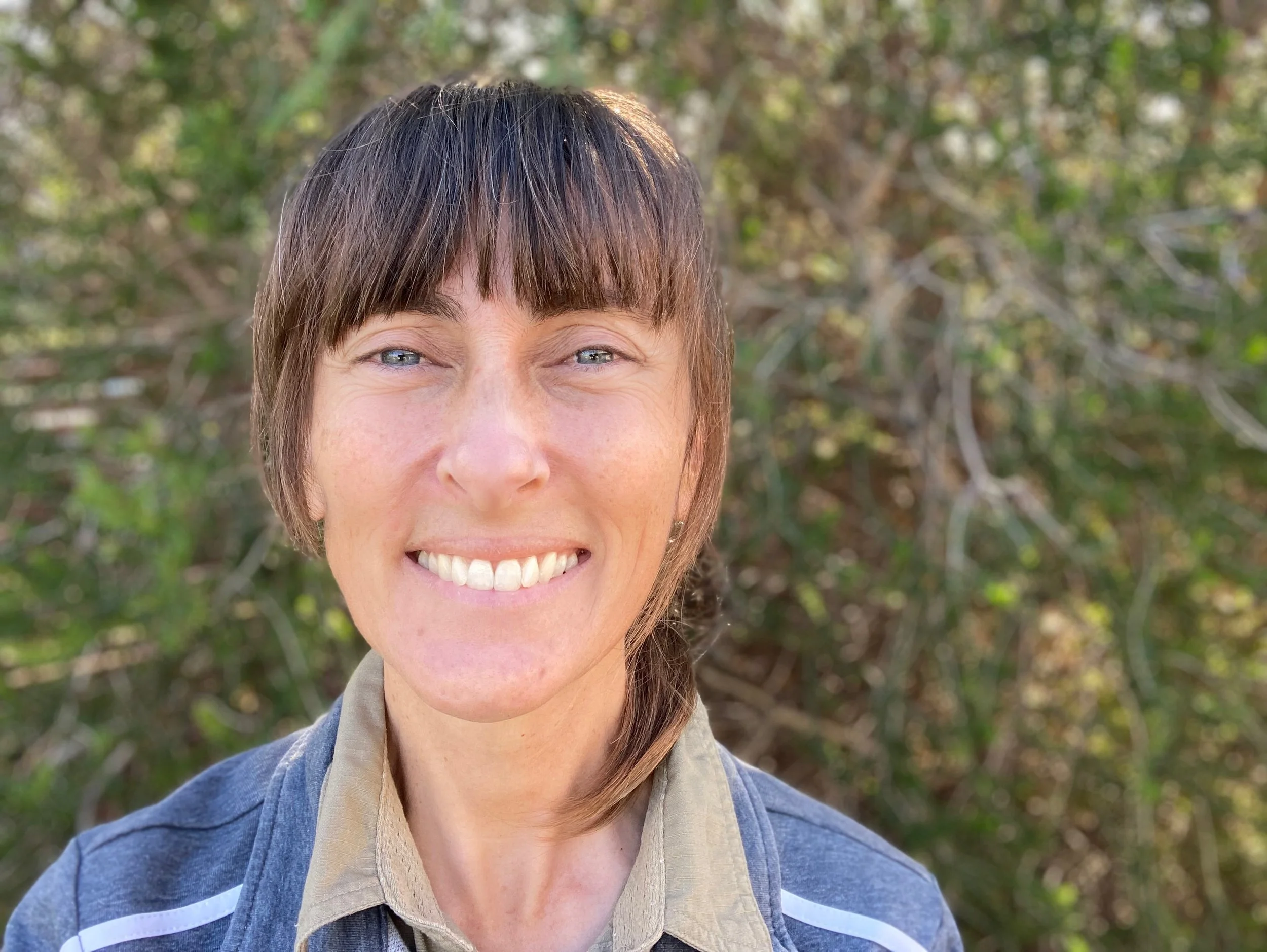
Dr Grey Coupland of Pocket Forests WA, from Murdoch University.
Some of us grew up cradling slaters—or, as we called them, butchie boys—while keeping a cautious distance from earwigs, warned by adults they might crawl into our ears and eat our brains.
Afternoons were spent kicking a soccer ball beneath the shade of trees while the grouchy man next door yelled at us to get off his lawn. The PlayStation stayed off after school; boredom—no matter how whiny the protests—was met by knocking on neighbours’ doors to ask if the kids could come out and play.
Connection to the natural world wasn’t just our play world—where bikes raced up and down quiet streets and days ended covered in dirt, sweat and the unmistakable smell of being outside—it was also what brought us together.
But those neighbourhoods slowly began to change as development crept in—a pattern particularly evident in the suburbs of Perth, Western Australia. Houses packed tightly together, and green space was reduced to open ovals, stripped of their wildness.
A sense of sameness replaced any true sense of place, and the awe and unspoiled beauty of the natural world seemed to retreat further outward—to places such as the Perth Hills.
For one mother and ecologist based in Perth, that shift became impossible to ignore. When she had children of her own, it sharpened her long-held affinity with the natural world into something more urgent—a desire to restore and rewild urban environments to resemble the landscapes that once existed there.
As her work rewilding city spaces with the Miyawaki method—adapted for Australian landscapes—gained momentum, she noticed another pattern emerging: a growing disconnect between children and the natural world across Perth. What began as a mission to restore urban nature gradually expanded to include something more—to help children reconnect with it.
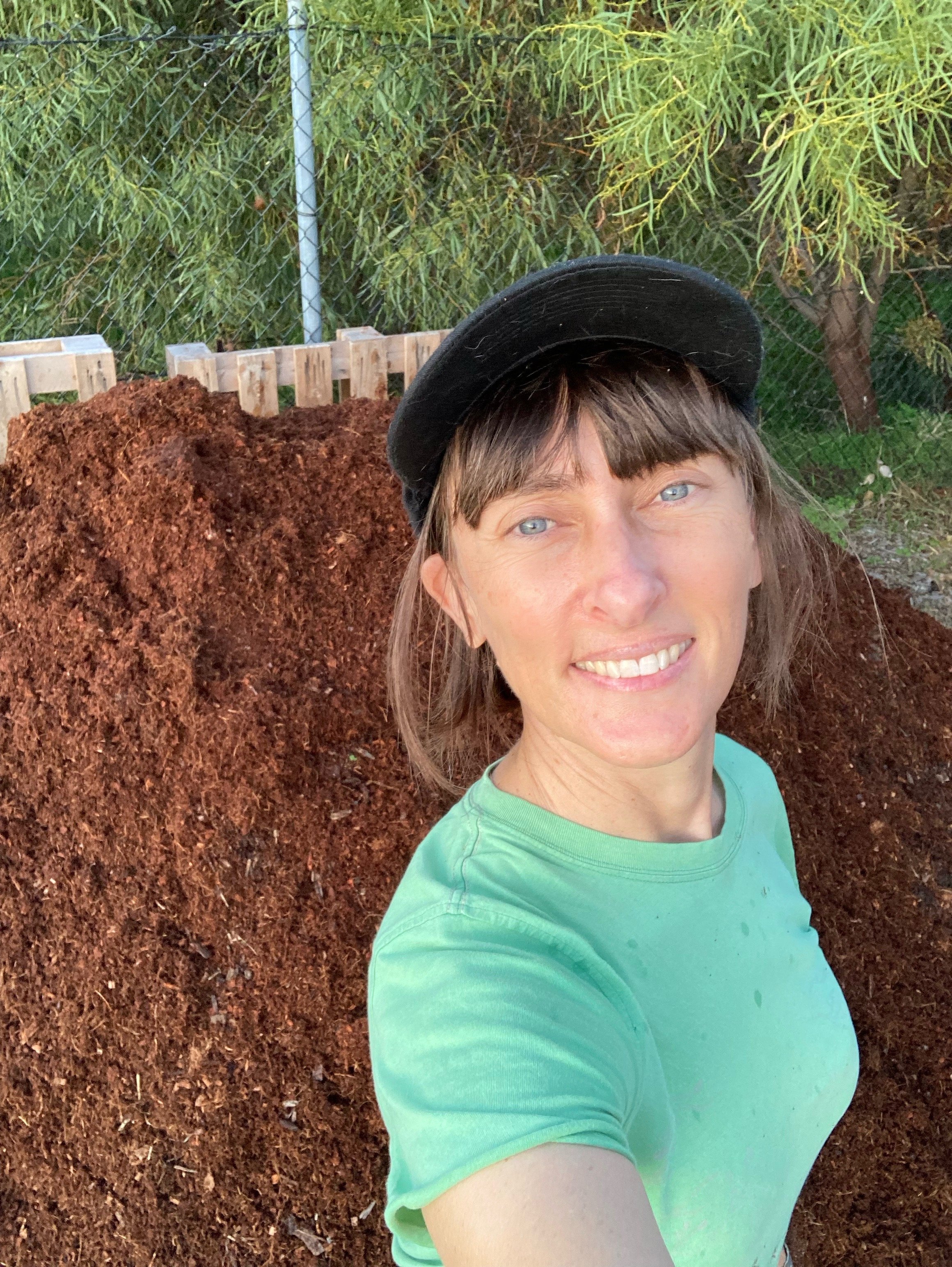
Dr Grey Coupland of Pocket Forests WA, from Murdoch University.
The Biophilic Blueprint sat down with Dr Grey Coupland to explore the Miyawaki Forest Program (Pocket Forests WA), a program based on The Miyawaki Method—a Japanese approach to rewilding spaces.
Her journey began with curiosity, quickly evolving into a hands-on mission to bring biodiversity and connection to urban spaces.
"I hadn't heard of a Miyawaki forest before. I came across a World Economic Forum post describing how we can revegetate our urban landscape with these small pockets of native plants. These forest help to increase urban biodiversity and can have an impact on the wellbeing of people living in cities,” Coupland said.
"After I saw the post I took a deep dive into what Miyawaki forest are, and their history and how the methodology came about. And as I read more, I became more and more intrigued, and it all went from there."
"Now I'm trying to help bring biodiversity back and revitalise our urban spaces for urban greening and so—that people can reconnect with nature for health and wellbeing."
The Miyawaki forests, or “pocket” forests, are part of a dedicated science program run by the Harry Butler Institute at Murdoch University in Perth. Through the program, small pockets of land are transformed into dense, living ecosystems. The forests do more than greening the landscape—they’re cooling spaces, rich biodiverse sanctuaries and they have been altered to suit Australia’s unique landscape.
Coupland leads the program as a research fellow at the Institute. She is an urban (or restoration) ecologist who began her career as a marine ecologist, studying seagrass and mangrove systems, before gradually shifting her focus onto land.
When she had her two sons, Coupland said it sparked a deeper desire to focus on regenerating urban spaces. “I felt a growing need to do something about our urban space, because we—in Perth in particular—have a huge urban sprawl, and there is an increasing Urban Heat Island (UHI) effect. And we have lost huge areas of habitat and resources for our native wildlife.”
The urban heat island (UHI) effect occurs when cities become noticeably warmer than surrounding areas, as hard surfaces like concrete and asphalt absorb and re‑radiate heat while a lack of vegetation limits natural cooling.
Urban canopy cover has a direct effect on people’s daily lives, Coupland explains.
"What we see in these northern suburbs and southern suburbs (in Perth), where there is little to no canopy left, is that people can't go outside on hot days to exercise or mix in the community because it is simply too hot. It becomes dangerous. Climate change and the urban landscape is making heat a silent killer in our cities.”
In suburbs with few trees, residents often struggle to exercise, socialise or even walk safely during hot days.
“There's an equity issue,” Coupland tells The Biophilic Blueprint. The loss of canopy also leaves wildlife with fewer refuges from extreme temperatures.
Beyond this, a lack of trees and wild nature limits daily human contact with the natural world—a contact that plays an important role in restoration, stress reduction, spiritual connection and physical health.
Urban Growth and Its Impacts on Human and Environmental Wellbeing
Perth has some of the lowest urban tree canopy cover of any Australian capital city. Vegetation mapping for the Perth and Peel regions recorded around 16 percent canopy in 2020—well below aspirational targets and other major cities. The latest 2024 data shows 20–22 percent, but this reflects a new measurement method, rather than a true increase in trees (Western Australian Planning Commission, 2026).
This low canopy cover reflects broader changes in land development. As urban areas have grown and densified, older trees have often been removed to make way for housing and infrastructure, leaving behind expanses of heat‑absorbing surfaces such as roads, rooftops and pavements.
The appearance of the Polyphagous shot-hole borer in Western Australia in late 2021, and the ongoing management efforts—which have already resulted in the removal of more than 3,000 trees—has added further strain to Perth’s rapidly declining urban forest.
Beyond the city, extensive land clearing for farmland across Western Australia has further impacted natural ecosystems.
"It was a wake-up call for me to re-assess the kind of place where I want my boys to grow up and where they can live. I looked around, and I was deeply concerned about the huge urban expanse and the rapidly shrinking wild spaces. This is why restoring habitat and re-greening our urban landscape is so critical,” Coupland said.
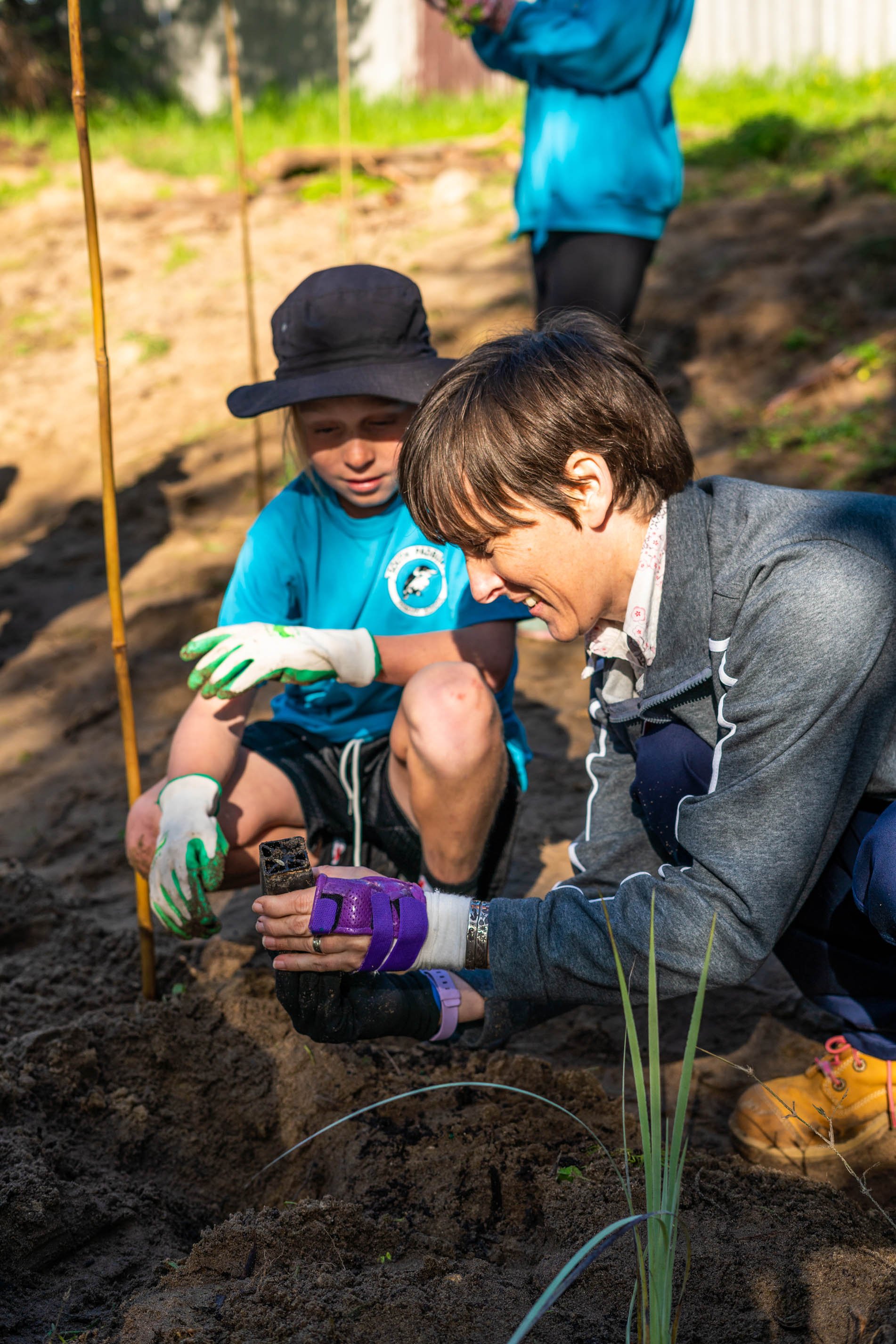
Dr Grey Coupland at South Padbury primary school planting day. A school in Perth’s northern suburbs on the Swan Coastal Plain. This was the first forest in the program and the first in W.A. The site was once a Banksia woodland community.
Planting the Seeds of Stewardship: The Miyawaki Approach in WA
Coupland’s work, largely focused within schools, responds to a critical need for more wild spaces in urban areas—and reconnects the next generation with nature in a way that is hands-on, local and lasting.
The program engages students and the community as citizen scientists through thea dedicated science outreach aspects of the program. The program is listed as one of the 157 UNESCO "Green Citizens" programs. Students plant their own Miyawaki forests on school grounds and monitor them monthly with the Harry Butler Institute’s Team Forest, becoming citizen scientists and fostering a sense of stewardship.
To date (2026), 22 forests have been planted as part of the program, 17 of them in schools. "For me, reaching out to primary school age children is important, because often we see children disconnect from nature. There are many children who are focused on their screens. Sadly, this is the direction society has taken,” Coupland tells The Biophilic Blueprint.
The first pocket forest, located at South Padbury, was planted in 2021 by 106 schoolchildren on a 100 m² section of the school grounds. The project was a collaboration with SUGi and The Seedling Bank as part of National Tree Day.
"Some of the children I work with have never planted a plant before. Some of them have never played in the dirt before. When I first started this program and realised this, I was quite surprised and a little shocked.”
“The disconnect from nature is worrying,” Coupland says. “If we don’t have a connection with nature children, we are very likely not going to be interested as an adult. It is a lot of pressure, but the reality is that the next generation are the future custodians of our planet. We need to help reconnect children with nature so they feel affinity and empathy with it, so they’re more likely to protect nature and try and preserve it when they get older.”
By educating and involving the next generation in planting and caring for pocket forests, the program is cultivating the way for an urban greening strategy that not only plants life back into urban spaces—but also restores elements of the ecosystems that once existed there—a core principle of the Miyawaki method.
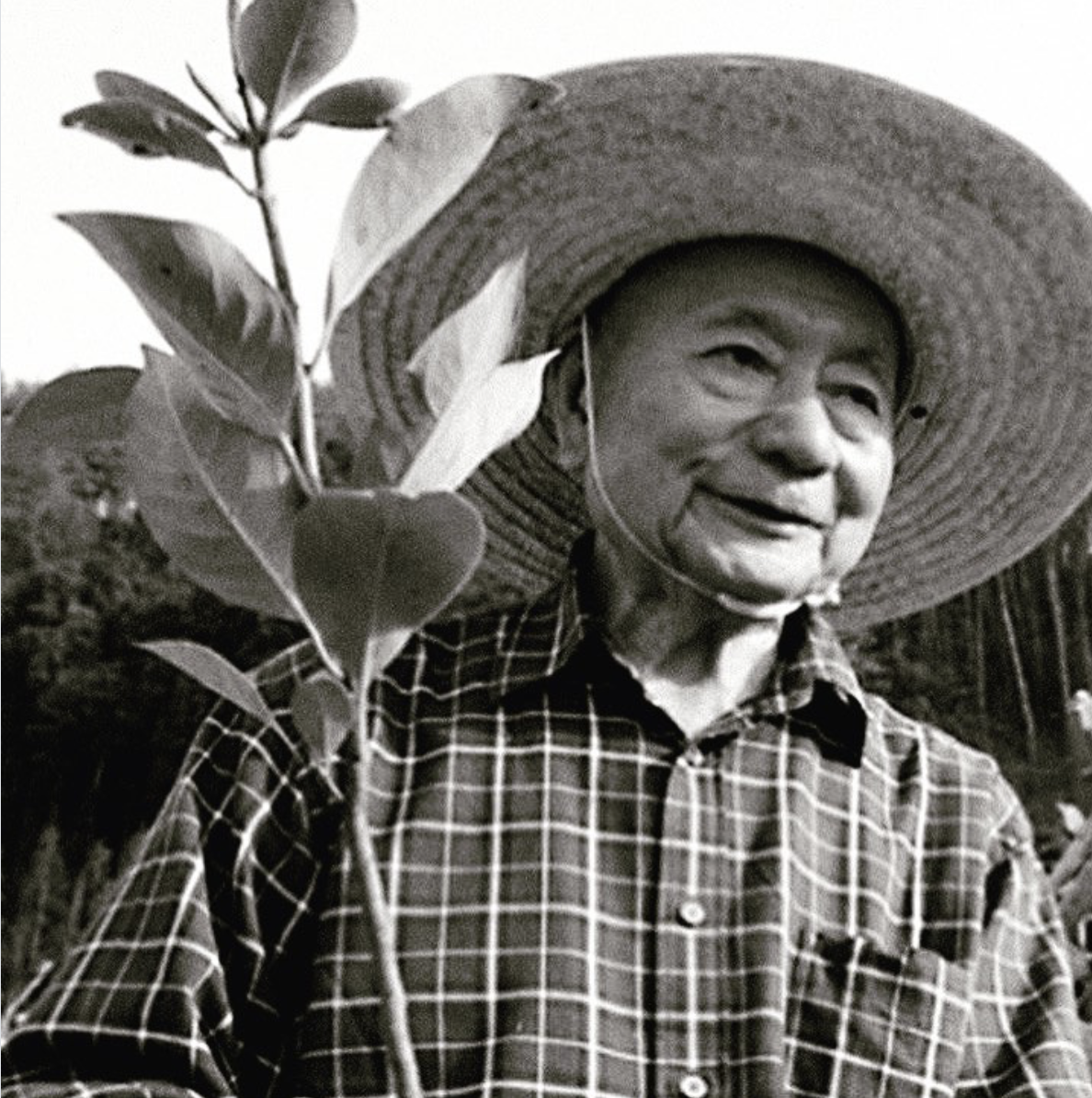
Japanese botanist Professor Akira Miyawaki.
The Miyawaki Method—from Japan to Australia
The Miyawaki method, developed in the 1970s by Japanese botanist Professor Akira Miyawaki, grows compact, thriving “tiny forests” using only native plants. By planting a rich mix of local saplings closely together on revitalised soil, these forests establish quickly, becoming denser and more biodiverse than when using conventional tree planting.
Within just a few years, they can form self-sustaining ecosystems that require minimal maintenance—offering a powerful tool to restore nature in cities, reconnect communities with green spaces and support thriving wildlife.
This method is inspired by ancient sacred shrine forests in Japan, known as Chinju-no-mori. These forests were protected for centuries, providing valuable examples of what healthy ecosystems look like when they are allowed to grow with minimal human disturbance.
Scientifically, the method is based on two key ecological ideas. The first is successional vegetation ecology, which explains how plants naturally grow and change over time—from early pioneer species to mature forests. The second is potential natural vegetation (PNV), which refers to the plant communities that would naturally exist in a place if human disturbance were removed.
In practice, the Miyawaki method doesn’t wait for natural regeneration to occur slowly over decades. Instead, native trees are densely planted at the beginning, and the site is carefully managed during the early years to help the forest establish. After this stage, ecological processes take over, allowing the forest to develop with minimal ongoing intervention.
These scientific principles form the foundation for how Miyawaki forests are planted and managed.
"Professor Akira Miyawaki developed the method and now thousands of forests have been planted across Japan and Southeast Asia. From there, the method spread to Europe, and is now being used in Australia, North and South America, and many other countries around the world."
"But of course, the Miyawaki method was originally designed for Japanese evergreen forests, which are very different from the systems we have here. In particular, the Swan Coastal Plain of Perth has unique eco systems.
"We have our beautiful Banksia woodlands—currently listed as endangered under federal protection, though many believe they should be classified as critically endangered. This woodland system is unique to the southwest and contains native species not found anywhere else in the world. The plant species in this community are adapted to our nutrient poor soils. The Proteaceae species, the Banksias and Hakeas, are highly sensitive to soil phosphorus which makes soil restoration challenging. In fact, restoration of our Banksia woodlands is incredibly difficult.
The Banksia woodlands of the Swan Coastal Plain are a unique ecological system in southwest Australia, but over 80 percent have been cleared in the past century and the remaining fragments continue to face ongoing threats. Many of these woodlands are now listed as endangered under federal law, though some argue they should be classified as critically endangered (Van Etten & Slee, 2022; Urban Bushland Council WA Inc.).
Why Forests Matter for People and Planet
Forests are more than just trees—they are living, breathing hubs of life that sustain both the planet and people.
“Forests systems support incredibly high biodiversity, the highest biodiversity on land—they're like the coral reefs of the terrestrial system,” Coupland explained. She said forests are crucial, even for us as individuals. “Even if we don’t see forests in our urban landscapes, they are vital global ecosystems and essential to the health of the planet as a whole. For example, forests along the coastal fringes of land masses help seed rain clouds, and once these forests are cleared, we see a clear reduction rainfall in the region.”
Forests serve as critical habitats for maintaining Earth’s biodiversity, she said. “Biodiversity has huge effects on us—on our wellbeing, on food security, and on maintaining genetic diversity.” Coupland also highlighted the role of soils and microbes within these ecosystems: “The microbes in the soil, the bacteria and fungi, and the humus, a key part of the organic matter in soils, play an incredibly important role in the carbon cycle and in soil’s role as a carbon sink.”
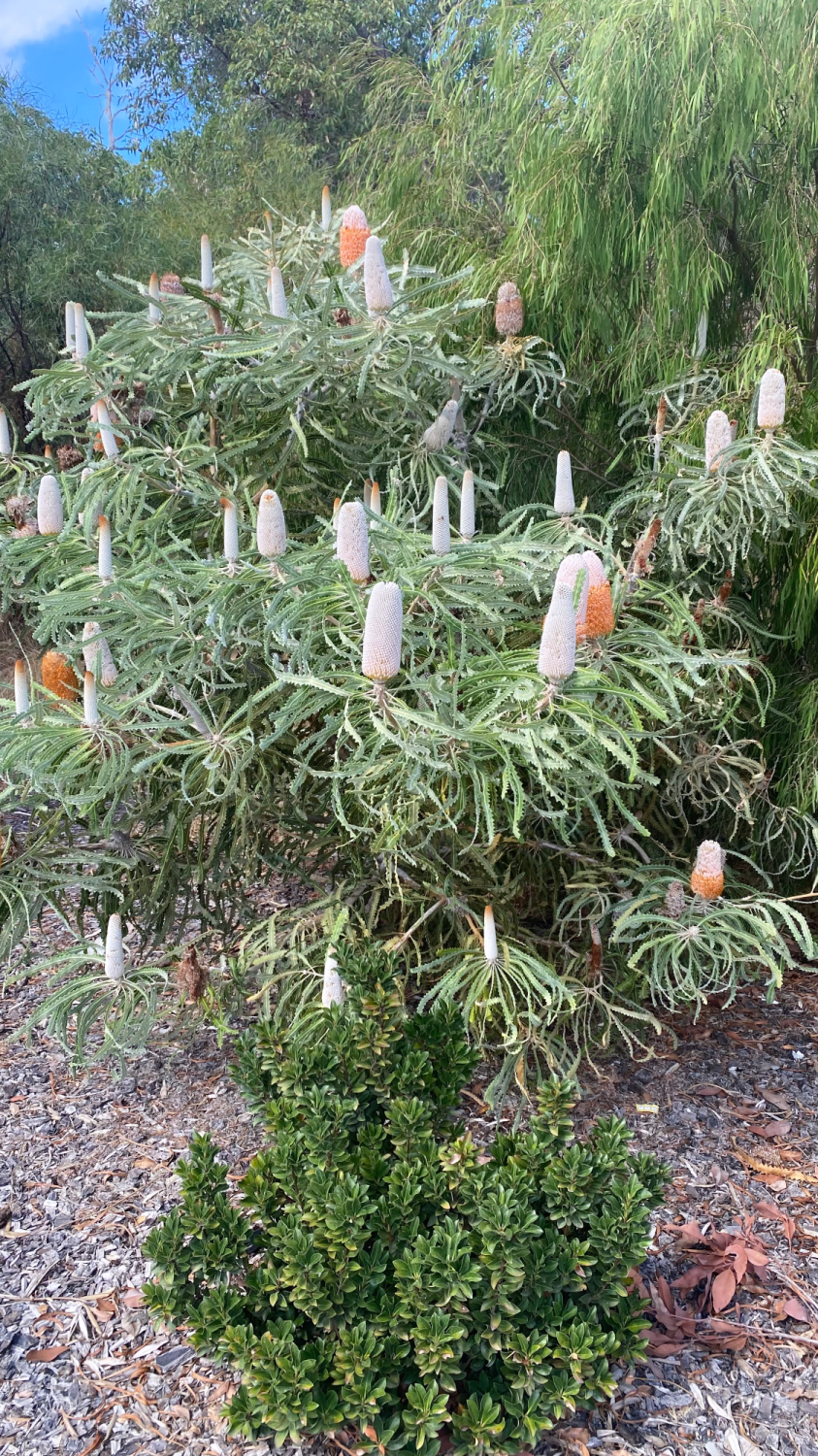
Banksia Woodlands listed as an endangered Threatened Ecological Community. Photo: The Biophilic Blueprint.
Three important elements of a Miyawaki forest:
1. Locally Native Species
“The pocket forests are comprised of locally native species. This is what Professor Miyawaki called ‘Potential Natural Vegetation (PNV)’. It is the vegetation that would have been on the site where you're proposing to put the forest … before the site was cleared.”
“We don't include ground covers, and we don't include grasses in a Miyawaki forest, because they're very fast-growing, and they tend to out complete other species.
Coupland also emphasises planting at high density: three plants per square meter. "The high density is said to encourage growth, so you get rapid maturation of these forest systems."
2. Soil Remediation
"The Miyawaki method includes an extensive soil remediation process. As we're working in urban areas, he soil is often biologically poor because through the process of urbanisation we've removed the vegetation, exposed the soil to a host of chemicals and paved over it," Coupland explained.
She said the soil remediation reinvigorates the soil, bringing life back to create optimal conditions for plants to grow before planting at high density.
“Part of the process of creating a Miyawaki forests is to reinvigorate the life in the soil by adding microbes back in. But here in the south-west of Australia, we need to be careful about how much in the way of nutrients we add, because the Proteaceae are highly sensitive. Because of this, I’ve modified how we reintroduce nutrients in the soil. The focus is primarily on adding microbes into the soil to help kickstart the system, so that the plants can have a really good start."
Once the soil is prepared, Coupland plants at a high density—around three plants per square metre. "The high density encourages growth of these plants, so you get rapid maturation of these forest systems," she said.
3. Species from Place
"But the really critical part is making sure you get that species mix right," Coupland said. "It has to be the locally native plant species and nothing else, no species from different locations, or fruit trees for example —only locally native plants."
She explained that using locally native plants is essential for creating a self-sustaining ecosystem. These species are adapted to the local climate, soil and seasonal conditions, which allows the forest to thrive with minimal ongoing maintenance. Introducing plants from other regions or non-native fruit trees can disrupt the balance of the ecosystem, outcompete native species and can reduce the forest’s ability to support local wildlife.
Getting the species mix right ensures that the forest reflects the “potential natural vegetation” of the area—the plants that would have naturally existed on the site before it was cleared. This careful selection is what allows Miyawaki forests to regenerate quickly, support high biodiversity and reconnect urban spaces with local ecology.
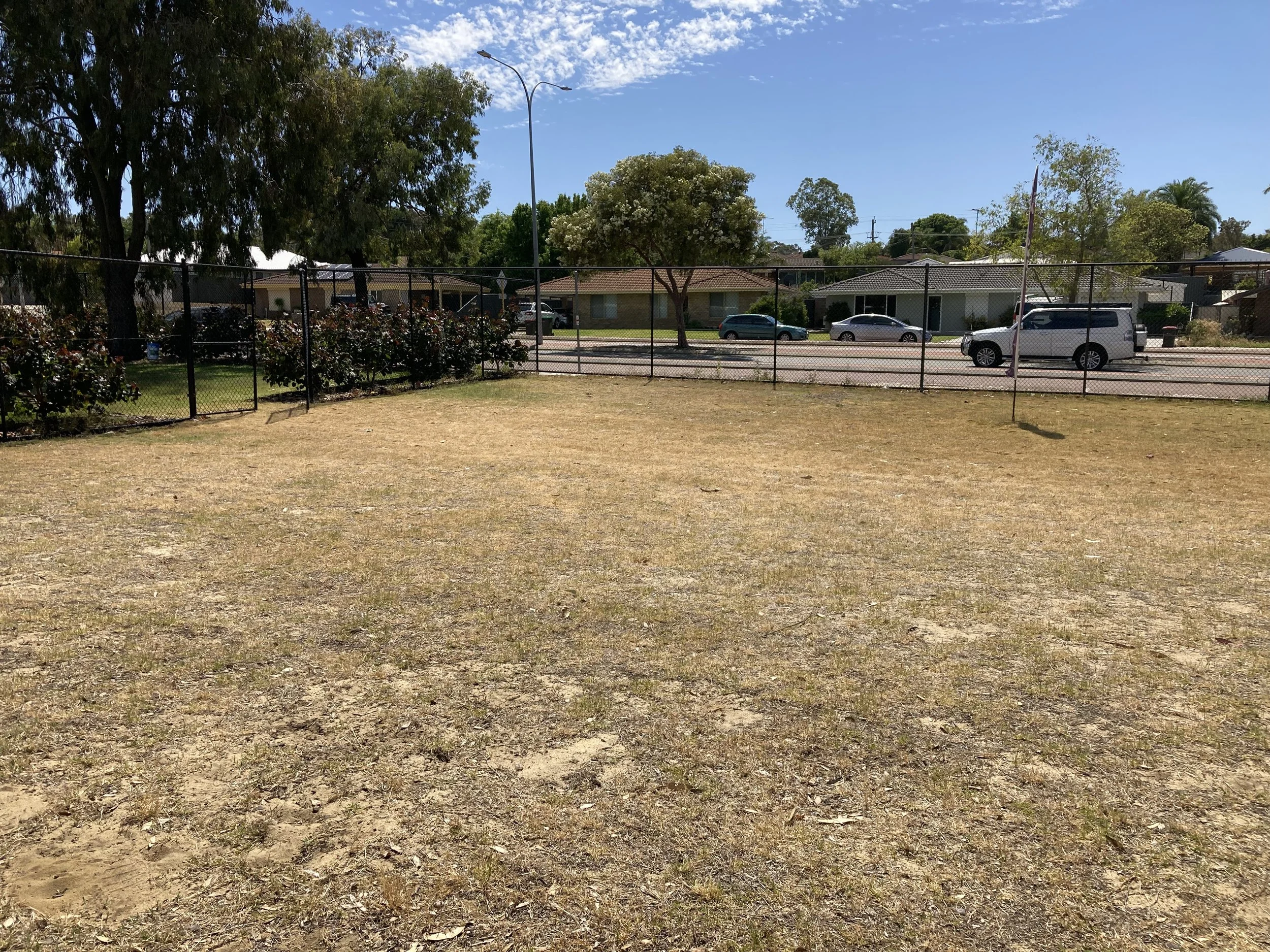
Prior to planting the pocket forest at Eddystone Primary School in 2022.
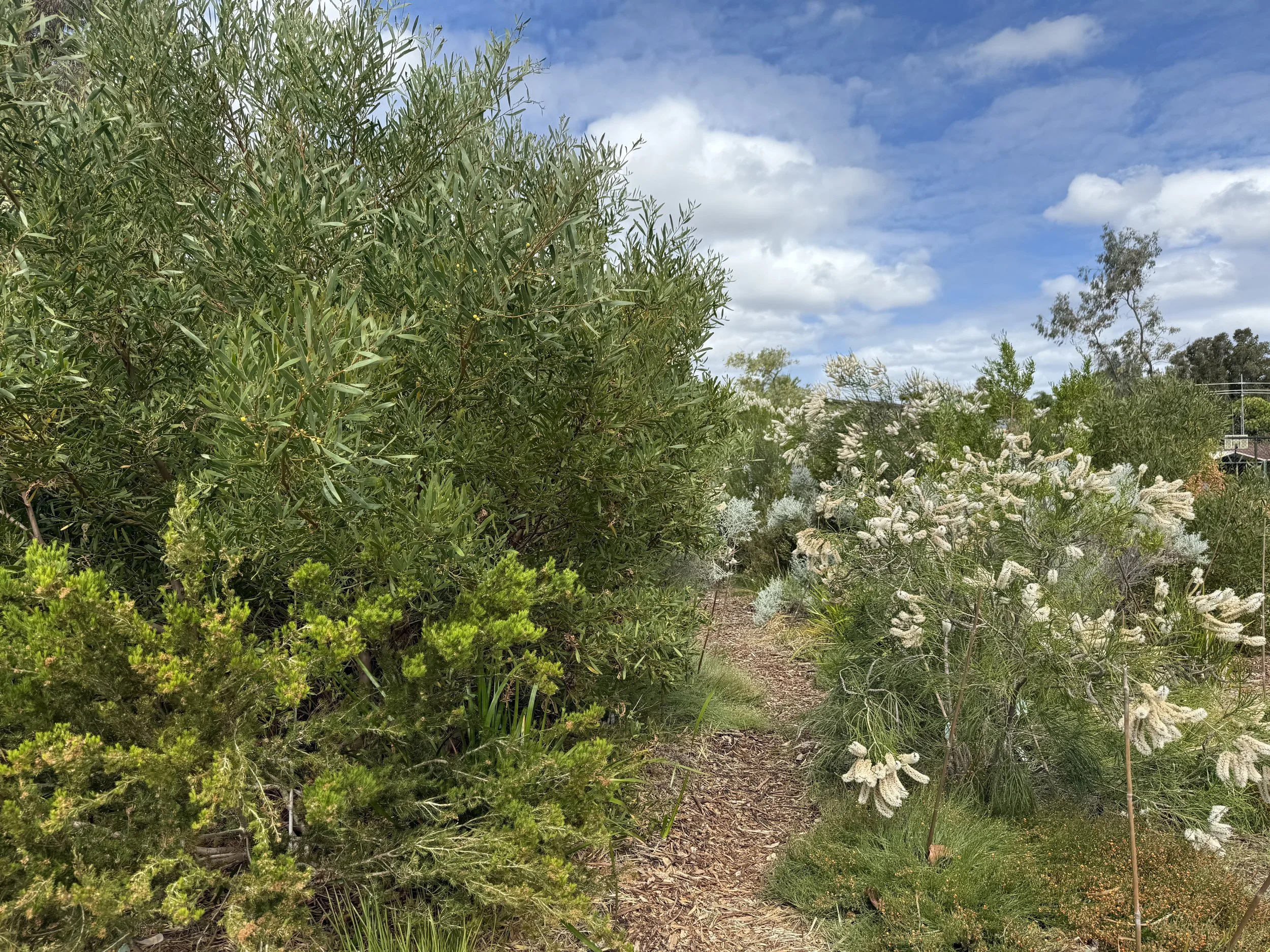
Pocket forest growth at Eddystone Primary School November 2025.
Pocket Forests as an Urban Greening Strategy
"When you plant pocket forests, they grow super-fast. Within six months, you've got little forests growing. Within that short space of time, you can see the life coming back. You can see the biodiversity beginning to return," Coupland said.
She explained that the return of life is almost immediate and remarkable. “You see a host of different invertebrates coming in very rapidly, and after forests have been established for a while, these invertebrates increase in diversity and abundance. And then we start to see other organisms like birds and reptiles. We even had Quenda (bandicoot) footprints and sightings in some of our forests. And we've seen bobtails moving in."
The ecological impact is mirrored by the social impact. "It's pretty exciting to see this. Watching the increase in biodiversity and then seeing the kids really enjoying their forests. What is fantastic is the strong sense of ownership they have over their forest. At the end of our forest monitoring session, they enjoy reporting back what they've seen. I find that very rewarding seeing that they're enjoying the natural space that they have created."
Coupland emphasised that witnessing both biodiversity and community engagement highlights the dual benefits of the program: the forests are not only restoring native ecosystems and providing resources for local wildlife and providing resources for local wildlife, but also fostering environmental awareness, curiosity and stewardship in the next generation.

Poseidon Primary School students monitoring their Miyawaki forest.
Reconnecting Children’s affinity to Nature (biophilia)
Coupland says that the children who had little prior engagement with nature often feel a bit nervous when they first come to plant a forest and get their hands dirty. "But once you've shown them the plant, dug the hole, and they can see what's going to happen, they start to get more enthusiastic," she explained.
“By the end of the day, some of those children have planted 4, 5, 6 plants. When we go out to do the monitoring afterwards, that's when you really start to see that connection happening,” she says joyfully.
Coupland tracks the pocket forests, still visiting the very first one planted at South Padbury Primary School—a school in Perth’s northern suburbs on the Swan Coastal Plain. This was the first forest in the program and the first in W.A. The site was once a Banksia woodland community.
"I still go back there to monitor with the kids and doing my own monitoring. We keep tracking the forests over time, see how well they're performing, and what animals are present. As part of the research program, we use environmental DNA to assess the soil, and conduct bird surveys, and a range of other research.
"We take learnings from all the previous forests and apply them to the new ones, with the aim to disseminate the information to the broader community through public talks, going to academic conferences and publishing manuscripts. There's a lot in the program to educate young people about the benefits and the importance of these systems."
She said when the children come out for monitoring, at first they are looking for their own plant in the forest but as the forest matures, they start looking not just for their own plant, but how everything is growing and working together.
““They see what’s happening in the forest, and how the whole forest is growing and the variety of animals that are coming in to use their forest and how the forest is cooling the area. They start to get more enthusiastic, and begin to recognise plants. They start to recognise bugs. Some that initially had no idea what a cockroach looks like—or an earwig—begin to recognise the different species and can articulate this. ””
“By the end of a few monitoring sessions, they can identify these things. And they start to name the local birds. I can see that interest in nature beginning.It's very inspirational to me to see the children connecting with nature and starting to appreciate the natural world."
"What is excellent is that I have a PhD student, Ines Zevallos, who's investigating the wellbeing of children who are involved in the Miyawaki Forest Program, seeing how well they're re-engaging with nature through the program, how that's influencing their wellbeing, and how that might influence what they do outside of school. Are they going to be more likely to plant in their garden? Are they interested in going for bush walks now? It is exciting to see what is unfolding."

Statewide Services pre forest in March 2022.

Statewide Services pocket forest growth in July 2025. The forest is planted in collaboration with the Department of Education—it is their demonstration ‘Bush Classroom’.
Inspiring Action Beyond Schools
Beyond the schools, the impact of these forests extends into the wider community. Children are not the only ones re-engaging with nature—residents of all ages can feel the benefits and take action themselves.
"People feel very invested in these forests. Creating a forest is a very joyful activity. It helps reconnect people with each other, reconnect people with nature and give people a sense of civic pride that they've created something beautiful and tangible. The benefits that people can get from these forests are quite incredible.”
Coupland reflects on the broader potential of these forests: “We've demonstrated the effects these forests can have on increasing local biodiversity and showing the public that they have the capacity to make a difference. If each and every one of us planted a small patch of Banksia woodland—one of these little forests in our backyard or on our verge—we could start to see real change.”
The Pocket Forests program provides a practical strategy to combat urban heat while demonstrating how small, dense forests can reimagine tree planting—turning urban greenery into vibrant hubs for biodiversity, community connection and local climate resilience. Efforts are now underway to reverse Perth’s low canopy cover, with tree-planting strategies and urban greening plans aiming to boost canopy cover. WATCA, for example, is advocating for a Tree Canopy Target of 30 percent by 2040 to improve heat resilience, biodiversity and overall liveability.
The State Government is committed to its ambitious target of increasing Perth and Peel’s urban tree canopy to 30% by 2040.
She continues, “If we worked together and planted native plants across our urban landscape, imagine the incredible difference we could make. It gives me goosebumps to think about it, because if everyone rewilded part of their verge, part of their back garden, we could create pollinator highways and provide habitat and resources for our incredible local wildlife. We could help to link remnant patches of vegetation. We could provide food for endangered species such as our beautiful black cockatoos. We could share our urban landscape with the native organisms that belong here. Wouldn’t that be spectacular?”
“This is a really important part of the work that I do—showing that everyone can make a difference, no matter how small a space you have. Even if it's just a balcony, you can plant in pots to provide resources for pollinators, like our beautiful native bees. No matter the size of the area you have, you can absolutely make a difference.”
Alignment with The Biophilic Blueprint
The Pocket Forests WA program aligns with The Biophilic Blueprint’s mission by fostering a hands-on, lived relationship with nature. It reconnects children and communities with biodiversity, demonstrates practical ways to restore urban ecosystems, and promotes mental and physical wellbeing through nature engagement. The program shows that biophilic design is not just about aesthetics—it’s about restoring ecological function, improving human health and cultivating the next generation of nature stewards. By integrating ecological restoration into everyday urban spaces, Grey Coupland’s work exemplifies how science, education and community engagement can co-create a greener, healthier future.
Comment below: What does a city look like when we plant back what was once there?
References and further reading
Barns, S., Hawken, S., Coupland, G., & Asahiro, K. (2025). Miyawaki forests-in-the-making: Enlivening values of human–nature care and gathering through the cultivation of Miyawaki forests. Environment and Planning D: Society and Space.https://doi.org/10.1177/02637758251383619
Coupland, G. Research profile overview. Murdoch University Research Portal.https://researchportal.murdoch.edu.au/esploro/profile/grey_coupland/overview
Pocket Forests WA. The forests. https://www.pocketforestswa.org/the-forests
Qi, H., Cameron, R., & Dempsey, N. (2025). Miyawaki ‘mini-forests’—The new kids on the block? Exploring perceptions of the Miyawaki forest method among UK landscape professionals. Urban Forestry & Urban Greening. https://doi.org/10.1016/j.ufug.2025.129238
Urban Bushland Council WA Inc. End clearing of Banksia woodlands. https://www.bushlandperth.org.au/campaigns/perths-banksia-woodlands/
Van Etten, E., & Slee, C. (2022). The endangered Banksia woodlands of the Swan Coastal Plain, Western Australia. In D. DellaSala & M. Goldstein (Eds.), Imperiled: The encyclopedia of conservation (pp. 339–344). Elsevier. https://doi.org/10.1016/B978-0-12-821139-7.00174-4
Western Australian Planning Commission. (2026, January 16). Urban greening data — Perth and Peel. Government of Western Australia. https://www.wa.gov.au/government/document-collections/urban-greening-data-perth-and-peel
Western Australian Local Government Association. (2024, June). Perth and Peel urban greening strategy submission[PDF]. WALGA. https://walga.asn.au/awcontent/Web/Documents/Urban-Greening-Submission.pdf